


Life in the city often promises stability; a steady job, a place to call home, and a sense of routine. But that security can disappear in an instant, leaving you vulnerable and grappling with terrifying uncertainty and panic.
Whether due to the despair of job loss, rising rents, or personal upheaval, some are choosing a path less travelled: a nomadic lifestyle.
Choosing a nomadic lifestyle after losing stability isn’t about running away. It’s about finding a new way forward. By embracing flexibility and resourcefulness, you can turn adversity into an opportunity to live life on your own terms. Whether you choose a tent, car, van, or camper, the open road offers a chance to rediscover what truly matters.
While this choice may seem daunting, it can also be an empowering way to reclaim autonomy and live with purpose. The truth is I was as nervous as hell at first and very unsure of myself, but it didn’t take long and all I could think was “Why didn’t I do this years ago?”
Here are some reasons why embracing nomadism might be the right move, along with a look at the various options available.
1. To Escape the High Cost of Urban Living
The escalating costs of rent, utilities, and other urban expenses have left many people struggling to make ends meet.
Transitioning to a nomadic lifestyle can dramatically reduce these financial pressures, enabling you to redirect resources toward essentials and optimistic future goals.
2. To Reclaim Your Freedom and Flexibility
A nomadic lifestyle is invigorating and offers the freedom to move at your own pace, explore new places, and prioritize what truly matters.
Without the constraints of a fixed address or traditional work hours, you can focus on creating a life aligned with your values.
3. Build Resilience and Self-Reliance
Living nomadically often requires learning new skills and adapting to change. Whether it’s setting up a camp, maintaining a vehicle, or finding creative ways to earn income, this lifestyle can foster a sense of independence and resourcefulness.
Additionally I found that the whole process of planning and building the interior of the van taught me a load of skills and upped my self-confidence no end.
4. Reduce Your Environmental Footprint
Nomadic living often aligns with minimalism and sustainability. By downsizing and living more intentionally, you can reduce waste and consume fewer resources, contributing to a more eco-friendly lifestyle.
5. Discover a Supportive Community
The nomadic world is filled with like-minded individuals who share stories, resources, and camaraderie. Whether you’re parked at a larger campground or a festival, or somewhere more remote, you’ll meet people who are interested and who understand where you’re at.
In forthcoming articles I’ll reveal some little-known resources which open up practically endless ways of expanding your circle of friends and acquaintances.

Living in a tent or living in your car are less realistic options and are really only suited to the short-term.
However, if you’re considering a lifestyle where you’re not tethered to a mortgage or a rental agreement, there are a few ways to make it work depending on your budget, skills, and preferences.
Obviously the least desirable path to choose, however it may be it’s the only one you can afford. Definitely better than sleeping rough.
Pros: Affordable, lightweight, and portable. Tents are ideal for those who enjoy being close to nature and don’t mind minimalist living.
Cons: Limited protection from weather and wildlife. Tents provide minimal insulation, which can make them uncomfortable in extreme temperatures.
Security is also a concern, as tents offer little to no protection against theft or intrusion.
Long-term use can lead to wear and tear, requiring frequent maintenance or replacement.
Hygiene can also become a challenge without access to clean water and bathroom facilities.
Pros: Cars offer mobility and protection from the elements. They’re also more discreet for urban parking and stealth camping, and far more secure than a tent.
I’ll discuss elsewhere a system that makes car-living very doable, removing the majority of the difficulties most of the time, if not all the time.
Cons: Limited space for sleeping and storage. Cars can quickly become cramped, especially if shared with a pet.
Ventilation and temperature control are significant issues, making it uncomfortable during hot summers or cold winters.
Hygiene and access to basic facilities can also be challenging, and living in a car may draw unwanted attention in certain areas, leading to potential conflicts or legal issues.
Tips: Use window shades for privacy and consider rooftop storage to maximize space.
Living in a car is sometimes unavoidable when life deals you a bad hand, but I’ve discovered a way to live very comfortably “out” of your car. It’s a different take on getting by, and I’ve seen people doing this very successfully. What’s more, if you’re resourceful you can do this out of a backpack. More on this later.
Vans, and a myriad of variations on the theme, strike a balance between mobility and comfort. They provide enough space for basic amenities like a bed, small kitchen setup, and storage.
Vans are highly versatile and can be customized to suit your needs, offering a cosy and semi-permanent home on wheels. The vanlife community is also thriving, making it easier to find inspiration, resources, and support.
Cons: While vans offer more comfort than tents or cars, they generally come with a higher upfront cost.
Reliable used vans can range from several thousand to tens of thousands of dollars, depending on size and condition.
Customizing a van adds further expenses for insulation, plumbing, and electrical systems.
Fuel economy and maintenance costs can be concerns, particularly for older models.
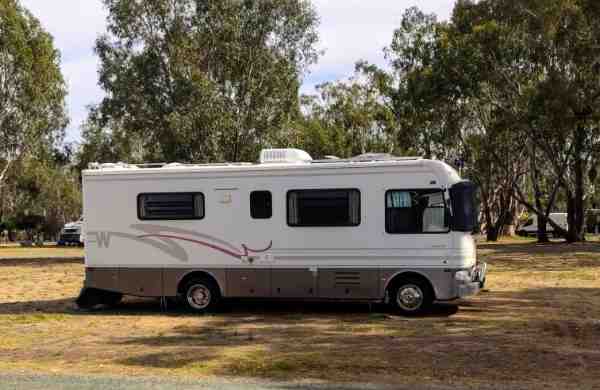
Pros: Motorhomes or recreational vehicles (RVs), caravans and campers offer the most amenities, including bathrooms, kitchens, and ample storage.
They’re great for families or those seeking more comfort.
RVs provide a ready-made living solution, often requiring minimal setup compared to building out a van.
Cons: RVs and campers come with significant financial considerations. The purchase price of an RV can be steep, and renovations for older models add to the cost.
Fuel consumption is typically high, and repairs for specialized systems can be expensive.
Additionally, parking or storing an RV can be challenging and may incur fees.
Tips: Smaller models or towable campers keep costs down and increase manoeuvrability.
Second-hand units are usually adequate. Just be sure to have them checked out by an expert before parting with your hard-earned money.
A few hundred dollars paid to a professional will save you many thousands if they point out an expensive problem waiting to happen that you failed to notice.
Life is yours. Waste no time.
Office : The Chariot
Address: Roads of Australia

About Life Unmapped
Hey, I’m Marley, the traveller behind Life Unmapped – a seedling of ideas for anyone considering other ways to make life work.
There’s tips and inspiration for people struggling with the cost of living, and for those craving more from life.
It’s still a young blog and I’ll add to it whenever articles are completed.
Please call back often and enjoy new content.
Skill set:
Do you have a story? Let’s chat.
“It is not the strength of the body that counts, but the strength of the spirit.” – J.R.R. Tolkien
Privacy
Terms
Attributions
Disclosure
Some links on here are referral links, which means I may earn a small commission if you make a purchase through them – at no extra cost to you.
These are only products & services I have personally used, or those trusted friends have shown & recommended to me and I truly believe to be great items.
Thanks for supporting Life Unmapped! 😊
Travel Gear and Stuff
Budget-Friendly Travel Gear
Must-Read Books on Simple Living
Top Tools for Digital Nomads
Please!

Quick links:
Start Here About Me
Nomadic Living Tips
Self-Sufficiency Hacks
Copyright © 2024-5 *Life Unmapped*
(All Rights Reserved).
F*CK plastic waste – drink tap water!