


It’s important to select the right vehicle or shelter for a nomadic lifestyle. A bad choice will set you up for disappointment and possible failure in your mission to become nomadic.
Your choice will depend on your budget, preferred travel style, comfort needs, and long-term goals.
The aim of this page is to help readers weigh their options and make the best decision for their situation.
Choosing a nomadic lifestyle after losing stability isn’t about running away. It’s about finding a new way forward. By embracing flexibility and resourcefulness, you can turn adversity into an opportunity to live life on your own terms. Whether you choose a tent, car, van, or camper, the open road offers a chance to rediscover what truly matters.
First the warning: Much of what you see online is lightweight rubbish; clickbait and holiday poseurs. Almost anything with scantily-clad bodies draped on designer sheets etc. is to be taken for what it is.
Think for a moment… where do they store their gear, where do they store their cooking utensils, their groceries, where are their clothes, their fridge, their sink and on, and on, and on?
Seriously. Trying to live full-time in a rig that’s built to go away for a weekend is no-one’s idea of a joke.
The correct vehicle for you will be something that:
# 1. You can afford to buy and maintain.
# 2. You can stand up at least somewhere in it – because you should stoop for no-one!
# 3. You can manoeuvre and park it comfortably, and trust it to be able to negotiate wherever you want it to go, on or off-road.
# 4. There must be space for sleeping, cooking, and storage, along with an acceptable level of comfort for weather extremes, because that’s something we will be contending with more and more often.
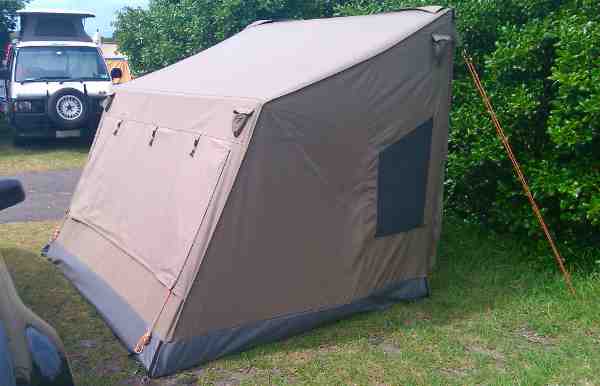
If you’re drawn to simplicity and minimalism, a tent might be your perfect starting point. Tents are lightweight, portable, and incredibly budget-friendly. They allow you to immerse yourself in nature and embrace a stripped-down way of living. However, they come with trade-offs.
Tents offer little protection from extreme weather or curious wildlife, and comfort can be a challenge during extended stays. I spent a few months travelling the inland with only a swag and loved it. I knew it would only be for a few months though and that’s the difference.
Waking up to the breath of a dingo looking down at me in the Alice was an awakening I won’t forget. Trying to sleep in all-night torrential rain near Coffs wasn’t my idea of fun either. Horses for courses.
Invest in a durable, all-weather tent is essential if you’re considering this option, along with compact camping gear to meet your basic needs.
Sadly many people who are living in tents are those who were taken by surprise, or who didn’t realise as early as they should have what was going to happen.
It’s one thing to choose to live in a tent intentionally, and another thing altogether to be forced to live in one because there are no longer any options.
I implore you to not to let this happen. Get in first. Prepare a better situation before a situation is imposed on you.
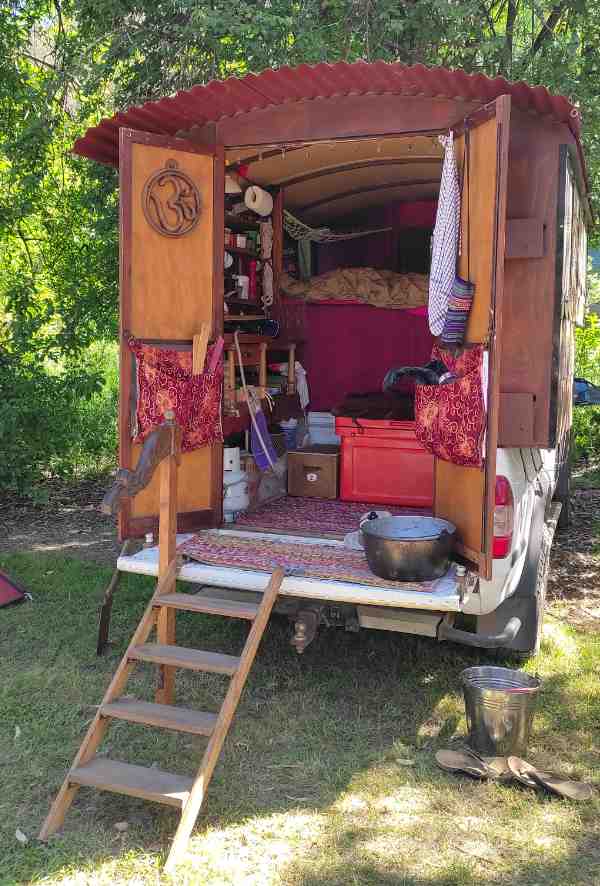
Living out of your car can feel like a step up in terms of mobility and protection.
Cars offer a secure, enclosed space that’s perfect for stealth camping, especially in urban areas. They’re also relatively affordable and easy to maintain compared to larger vehicles.
That said, space is limited, and sleeping in a car can quickly become uncomfortable. With creative use of foldable bedding and rooftop storage, you can maximize the utility of this option while keeping things simple and mobile.
It’s unfortunate cars are surrounded with glass, and glass is a extraordinary conductor of heat and cold.
The challenge when choosing a car to exist in, apart from the overcrowding and comfort factor, is keeping it from frying or freezing you.
I had some success with a little Ford Escort I used to travel in by getting a large roof-rack and lining it with thick plywood, effectively making a “second roof”, and rigging up rigid protruding skirtings of tubular steel and shade-cloth, attached to the roof-rack with hose clamps. It looked a bit dodgy but seemed to work sufficiently to keep me alive for a while out in the stinking hot red centre.
The silver bubble windscreen sunshades are fantastic insulators as well, alongside that white coreflute sheeting those roadside political signs are made of.
Great way of doing your bit to recycle and rid the environment of these eyesores.
“Your vehicle is your passport to adventure.”
– Unknown
Any comments, contributions, thoughts or insights?
We’d love to hear from you.
For those looking to strike a balance between mobility and comfort, vans are an excellent choice. They offer enough room for a bed, basic kitchen setup, and storage, making them ideal for longer-term travel.
Vans are also highly customizable, allowing you to create a space that fits your exact needs. The upfront cost can be higher than tents or cars, and fuel expenses will add up over time, but the increased comfort often makes it worthwhile.
Starting with a used van and gradually upgrading it as funds allow is a great way to ease into this lifestyle.
For the hands-on adventurer, converting a vehicle into a liveable space can be a rewarding option.
Whether it’s a van, box truck, or even a school bus, a DIY conversion allows you to tailor every detail to your liking.
This approach is often more affordable than buying a pre-built RV, but it requires time, tools, and a bit of know-how.
Starting with a reliable used vehicle and focusing on modular, multi-functional designs can help you create a functional and comfortable space without breaking the bank.
You can probably tell from the amount of positives that vans are my preferred way to roll.
Personally, I like a hybrid truck/van/RV, hacked together to form a personally “perfect” vehicle that combines stealth, great insulation, security and strength.
I prefer something old enough to be simple to fix myself, with a total lack of computers or sensors. There’s enough tech on the inside.
I have some great money and heartache-saving ideas for those starting out which I’ll cover elsewhere.
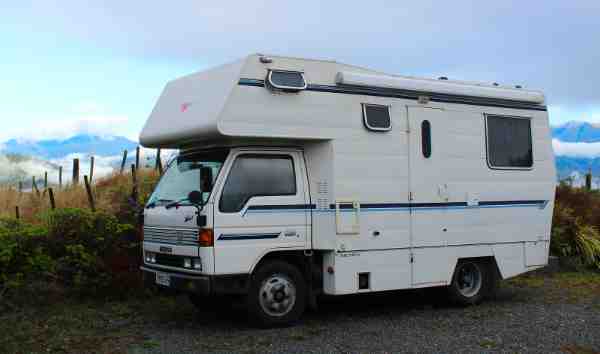
If comfort is your top priority and you have the means, then recreational vehicles (RVs), caravans and campers provide a home-like experience on wheels.
These vehicles often come with built-in amenities like bathrooms, kitchens, and ample storage, making them suitable for families or those who prefer a bit of luxury on the road.
However, they come at a price, both in terms of purchase cost and ongoing maintenance.
RVs also require larger parking spaces, which can limit your options for spontaneous stops.
Opting for a smaller RV or towable camper can help mitigate some of these challenges while still providing many of the comforts you’re seeking.
To guide your decision, ask yourself:
Choosing your vehicle or shelter isn’t a one-size-fits-all decision.
If you’re unsure, consider renting a van or RV for a short trip or a week away to test the waters. Ideally take the model you have in mind for a test drive. I really hope you love it as much as you thought you would!
If I could offer a piece of advice it would be don’t get obsessed about a particular vehicle. Take one, or even a few of them for a drive first before locking in on it.
Last time I was buying an SUV I had my heart totally set on a particular imported model. I dreamed of this car. I wanted it like nothing else… until I sat in it.
It took less than 5 seconds for me to change my mind. It was intolerably uncomfortable with no driver legroom. And that was that. That’s my two bob’s worth. Drive the damn thing first!
Ahh I just thought of another thing. There’s a very popular used van I used to own that’s almost impossible to get parts for. The model ran for years and years but parts were always scarce.
I knew one young couple at their wits end trying to find a simple door hinge to get a roadworthy and there were none. Anywhere. My mate engineered one out of desperation to help these poor buggers, who had no way of knowing what they were getting themselves into.
Research. Research. Research. Ask mechanics. Ask auto dismantlers. Join online communities where seasoned nomads share advice, inspiration and warnings, but also don’t listen to everything you read on forums.
It can be such an opinionated trap. You can bet a person who owns model “X” will swear black and blue they’re great.
Look for used options to keep costs down and start small, knowing that your needs may evolve over time. Flexibility is main thing. Be aware what works today might change as your time and travels progress.
Life is yours. Waste no time.
Office : The Chariot
Address: Roads of Australia

About Life Unmapped
Hey, I’m Marley, the traveller behind Life Unmapped – a seedling of ideas for anyone considering other ways to make life work.
There’s tips and inspiration for people struggling with the cost of living, and for those craving more from life.
It’s still a young blog and I’ll add to it whenever articles are completed.
Please call back often and enjoy new content.
Skill set:
Do you have a story? Let’s chat.
“It is not the strength of the body that counts, but the strength of the spirit.” – J.R.R. Tolkien
Privacy
Terms
Attributions
Disclosure
Some links on here are referral links, which means I may earn a small commission if you make a purchase through them – at no extra cost to you.
These are only products & services I have personally used, or those trusted friends have shown & recommended to me and I truly believe to be great items.
Thanks for supporting Life Unmapped! 😊
Travel Gear and Stuff
Budget-Friendly Travel Gear
Must-Read Books on Simple Living
Top Tools for Digital Nomads
Please!

Quick links:
Start Here About Me
Nomadic Living Tips
Self-Sufficiency Hacks
Copyright © 2024-5 *Life Unmapped*
(All Rights Reserved).
F*CK plastic waste – drink tap water!